



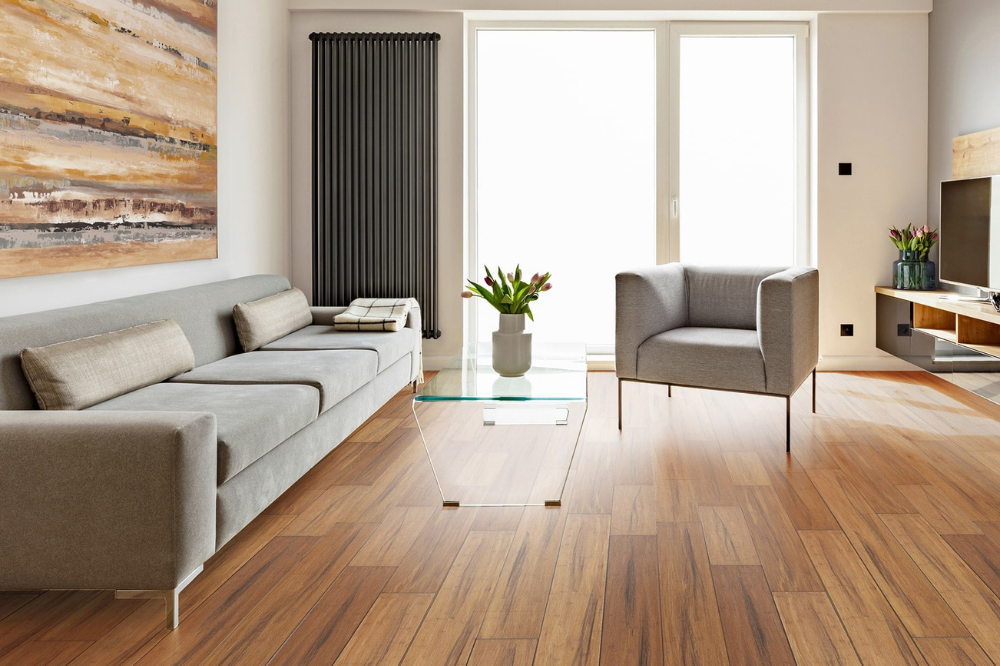
You want your home to look like something out of a magazine. However, when you arrange the furniture, you feel that something isn’t quite right, and the space looks smaller than it actually is. Designing a harmonious space requires balancing volumes, textures, and colours. Here, we show you how to apply professional interior design rules so that your home exudes tranquillity and good taste at first glance.
The secret to mixing decorative styles without creating visual chaos is to visit a furniture shop in Cartagena, where you can compare real textures and woods under different lighting conditions before making a purchase. Visual cohesion is achieved by defining a clear colour palette and respecting the geometric proportions of each piece in the room to avoid visual clutter.
Decorating isn’t about buying an entire catalogue and replicating it in your living room. Homes with the most personality integrate a modern piece with a warm natural wood element, creating a soulful space. At Muebles Belhogar, we have been helping our customers to avoid the 'showroom effect' – where everything is identical and lacks life – since 1972. Our aim is to help you create a home that reflects your identity while maintaining structural elegance that won't become outdated in two years' time.
A showroom covering over 2,000 m² gives you a significant competitive advantage in the interior design industry. Rather than just imagining how a white-lacquered TV stand would look next to a mustard-coloured upholstered armchair, you can come and see for yourself by placing them side by side. You can feel the wood's grain, see how it reflects the light, and test your ideas in person. Our team of interior designers will guide you through this creative process, sifting through the thousands of available options to focus exclusively on those that align with the overarching theme of your project.
We understand that revamping your entire interior is a significant undertaking. Our aim is to enable you to focus on choosing combinations that make you happy without limiting your creativity due to budget constraints.
Interior design mistakes that dim the light in your home
Buying individual pieces on impulse without considering the impact of their size or dark colour immediately reduces the brightness of your rooms. We’ve identified the most common layout and design flaws that ruin the feeling of spaciousness, so you can correct them before making any financial investment.
Visual obstructions near windows at your furniture shop in Murcia
Placing sofas with very high backs or opaque display cabinets in front of natural light sources drastically reduces the amount of light entering your home.
Natural light is the best decorative feature you can have in your home. If you block a large window with a heavy piece of furniture, the whole room will seem gloomier and smaller. To solve this, we work closely with our 3D design service. We input the exact floor plan of your home into the computer, marking where the windows are and the direction of the sun. This allows us to check virtually whether that sideboard you love so much casts unwanted shadows, or whether it would be better to opt for floating shelves that lighten up the wall. This technology eliminates the margin for error and guarantees bright, airy spaces.
Avoid an overload of different woods and bold patterns.
Mixing oak, walnut and cherry finishes on the same wall creates visual clutter that quickly tires the eyes and makes the space feel smaller. Harmonising the wood tones and using floral or geometric patterns only on small features ensures a clean, relaxing aesthetic.
When clients ask us to help modernise a dated living room, the problem is almost always an overload of visual information. There are too many colours competing for attention. The right strategy is to use very neutral tones for large, expensive pieces of furniture. For example, we recommend investing in a quality grey or sand-coloured sofa and key pieces of furniture in a single shade of natural wood. We then add a splash of colour through cushions, pictures or rugs, which are inexpensive and easy to replace when you tire of them in a couple of years.
Interior design style comparison for your project
The aesthetic you choose for your home will determine which materials, metals and fabrics form part of your daily life. This table breaks down the most popular interior design trends to help you match your personal tastes to the physical characteristics of your home.
|
Decorative style |
Core colour palette |
Key materials |
Ideal for... |
|
Nordic/ minimalist: |
whites, light greys and dusty shades. |
Very light woods (such as beech and ash), linen and cotton. |
Small flats that need to maximise natural light. |
|
Warm Mediterranean: |
sandy hues, terracotta, off-whites and blues. |
Rattan, untreated natural wood, ceramics, and natural fibres. |
Ideal for coastal homes, holiday homes or very light-filled flats. |
|
Contemporary |
Visón, taupé, negros y contrastes marcados. |
Matt lacquers, glass, dark metal and velvet. |
Penthouses and spacious homes seeking an elegant touch. |
|
Soft industrial |
anthracite greys, leather browns and rust tones |
Black iron, weathered wood and exposed brick. |
Lofts and open-plan living spaces with large windows. |
Defining one of these styles as your 'golden rule' will make any future purchases much easier. For example, if you decide on a Mediterranean style for your home, you can rule out furniture with a glossy black lacquer finish straight away, saving yourself hours of indecision. If you’re looking for inspiration on how to incorporate these trends into your children’s bedrooms, we can show you real-life examples that apply the same design principles.
How to apply professional interior design to your home
Transforming an empty or poorly laid-out room into a space worthy of a magazine spread requires a structured, strategic approach. Apply these design guidelines to your own home before choosing your final pieces, to ensure an aesthetically pleasing result.
Apply the 60-30-10 rule: Allocate 60 per cent of the visual space (walls and ceilings) to a neutral colour. Allocate 30 per cent to a secondary colour for items such as the sofa, curtains or main pieces of furniture. Reserve the remaining 10 per cent for the boldest accent colour (cushions, lamps, or decorative items).
Define areas with rugs. In open-plan living rooms that also function as dining areas, use large rugs to visually define where one area ends and the other begins. Ensure that the front legs of the sofa always rest on the rug.
Create different layers of light. Forget the solitary light bulb in the centre of the ceiling. A cosy space needs general, ambient (e.g. floor lamps next to the sofa) and accent (e.g. LED strips in display cabinets or lights above pictures) lighting.
Group your décor in odd numbers. When arranging vases, candles or books on a coffee table or sideboard, group them in threes and vary the heights. The human eye perceives odd-numbered arrangements as much more appealing and dynamic.
Create a consistent theme throughout the house. Avoid decorating the living room in an industrial style and the master bedroom in an ornate, classic style, for example. Stick to the same floor colour or type of wood for occasional furniture to make the whole house feel like a single, carefully considered project.
Frequently Asked Questions on Decoration and Interior Design
Answering technical questions about colour combinations and measurements gives you the confidence you need to make bold yet well-judged aesthetic decisions. We have compiled the most common questions we receive in-store about decoration.
How can I make my living room look bigger without knocking down walls?
Use very light colours for the walls and upholstery. Hang curtains from the ceiling to the floor to create a sense of height. Place mirrors strategically opposite windows to double the amount of natural light. Avoid dark, bulky furniture.
Is it a good idea to buy all the furniture from the same catalogue or manufacturer?
Buying an entire collection of matching table, display cabinet, sideboard and shelving units can look rather monotonous. We recommend keeping one centrepiece and mixing in occasional furniture from other collections with similar tones to create visual interest.
What size should my coffee table be in relation to my sofa?
It should be around two-thirds of the total length of the seats on your sofa. Leave a gap of around 40–50 cm between the table's edge and the seat so you can stretch your legs out comfortably.
How does your 3D interior design service work?
First, you provide us with a floor plan or the measurements of your room. Our designers then use our software to model the walls, add the colours of your flooring and paint the room. Then, we place the exact pieces of furniture you’ve chosen so you can see what the room will look like before you buy.
Design the home you’ll always want to come back to
Decorating a home is about more than filling space with attractive items; it’s about creating a welcoming sanctuary that impresses both you and your guests. For five decades, we have seen that good taste does not depend on spending exorbitant sums, but rather on making wise choices, taking accurate measurements and seeking advice from professionals who have mastered the art of visual balance.
You don’t have to face this challenge alone or take a gamble on buying items online that don't match your wall colour. At Muebles Belhogar, we put our team of interior design experts, our 3D design technology and our vast showroom, where ideas take physical form, at your complete disposal. All of this is backed by our completely free delivery and assembly service in Cartagena, Murcia, Los Alcázares, Campoamor, San Miguel de Salinas and the surrounding area. We take care of the logistics so that you can simply enjoy the creative process.